Project curated by Living Room Collective
Commissioned by The Canada Council for the Arts
Local consultant for the exhibition local production
Picoplanktonics is an exploration of our potential to co-operate with living systems by co-constructing spaces that remediate the planet rather than exploit it.
Amidst the ongoing global climate crisis, the Living Room Collective has developed a ground-breaking exhibition that showcases the potential for collaboration between humans and nature.
It is focused on harnessing the design principles of living systems to develop sustainable, intelligent and resilient materials and technologies for the future. By leveraging ancient biological processes alongside emergent technologies, it proposes designing environments under an ecology-first ethos.
“Picoplanktonics marks four years of research at ETH Zürich with international collaborators in material science, biology, robotics, and computational design. As we move these living prototypes into the Canada Pavilion, we are thrilled to invite the public into this open experiment and reveal all phases of the material’s life, including growth, sickness, and death, while collectively imagining a regenerative design approach that seeks planetary remediation.”
–Andrea Shin Ling, The Living Room Collective
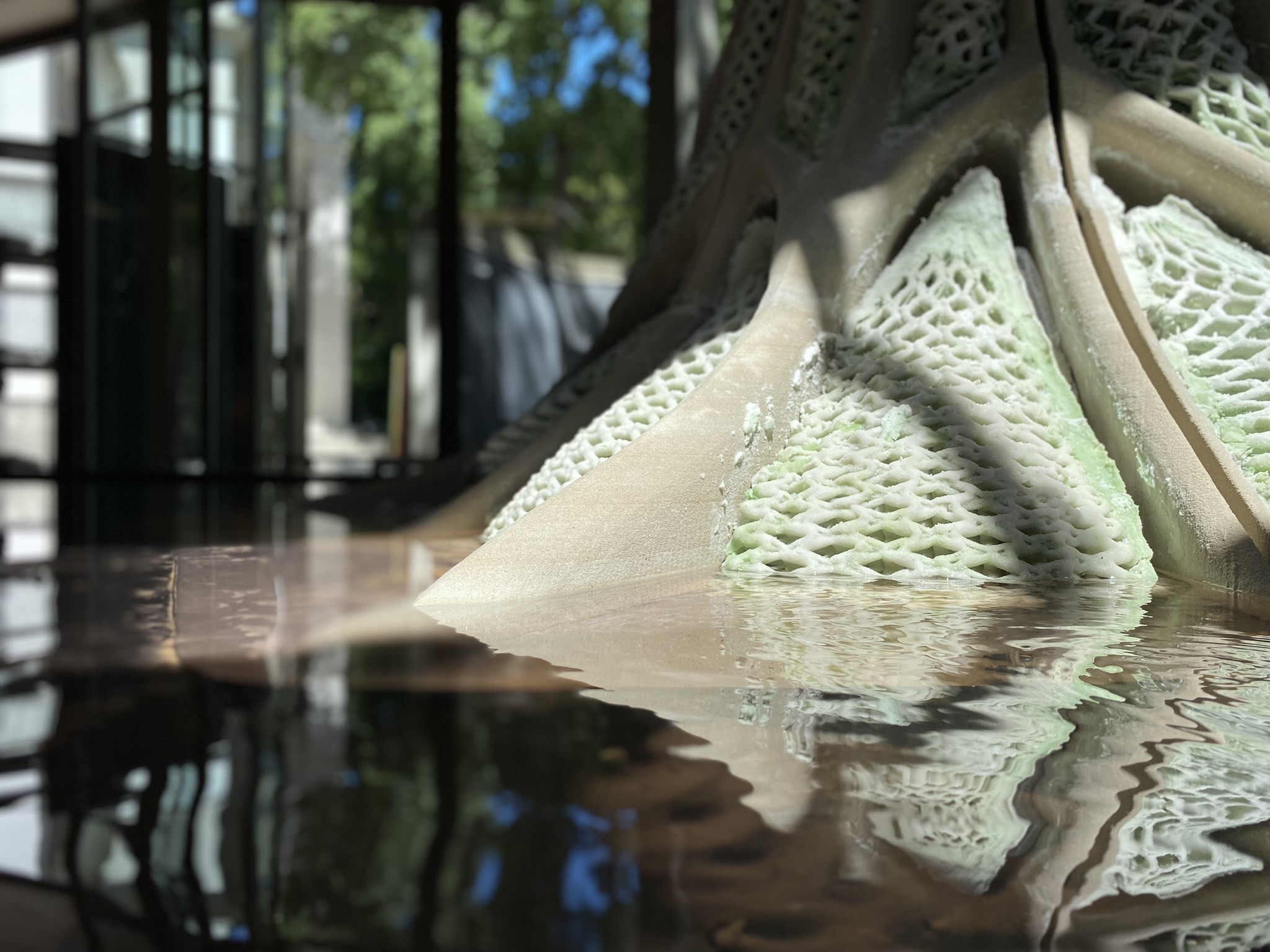
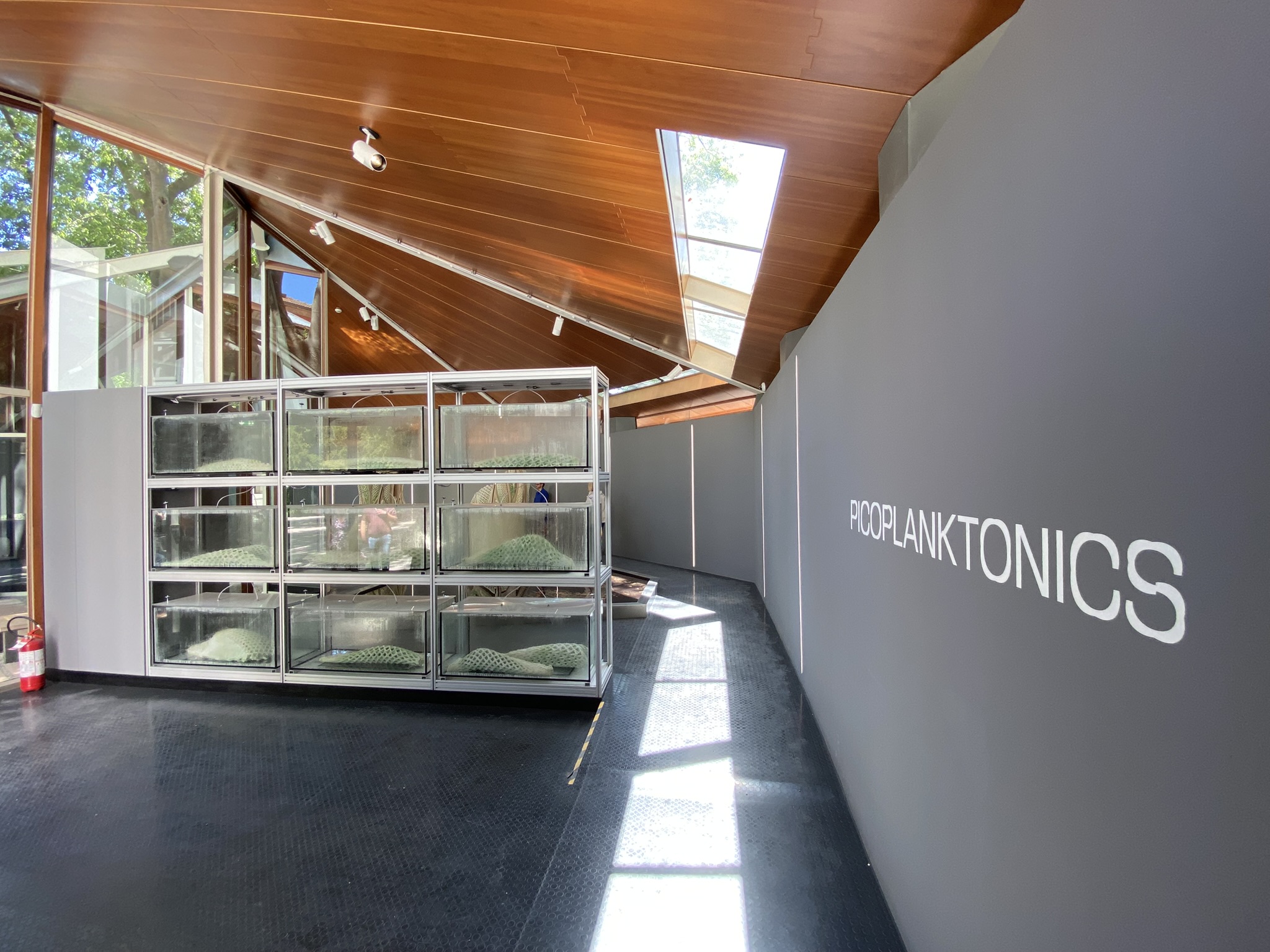
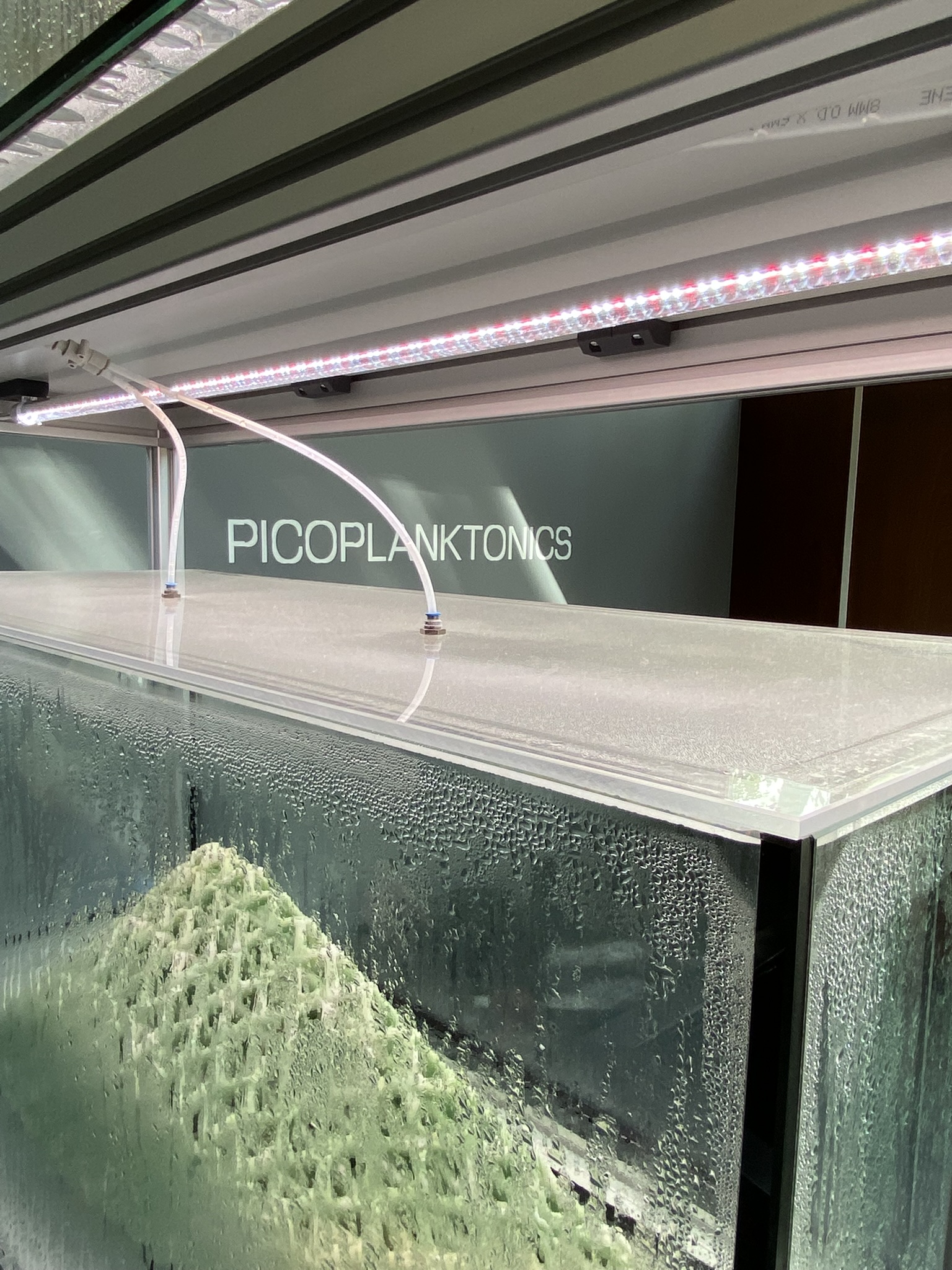
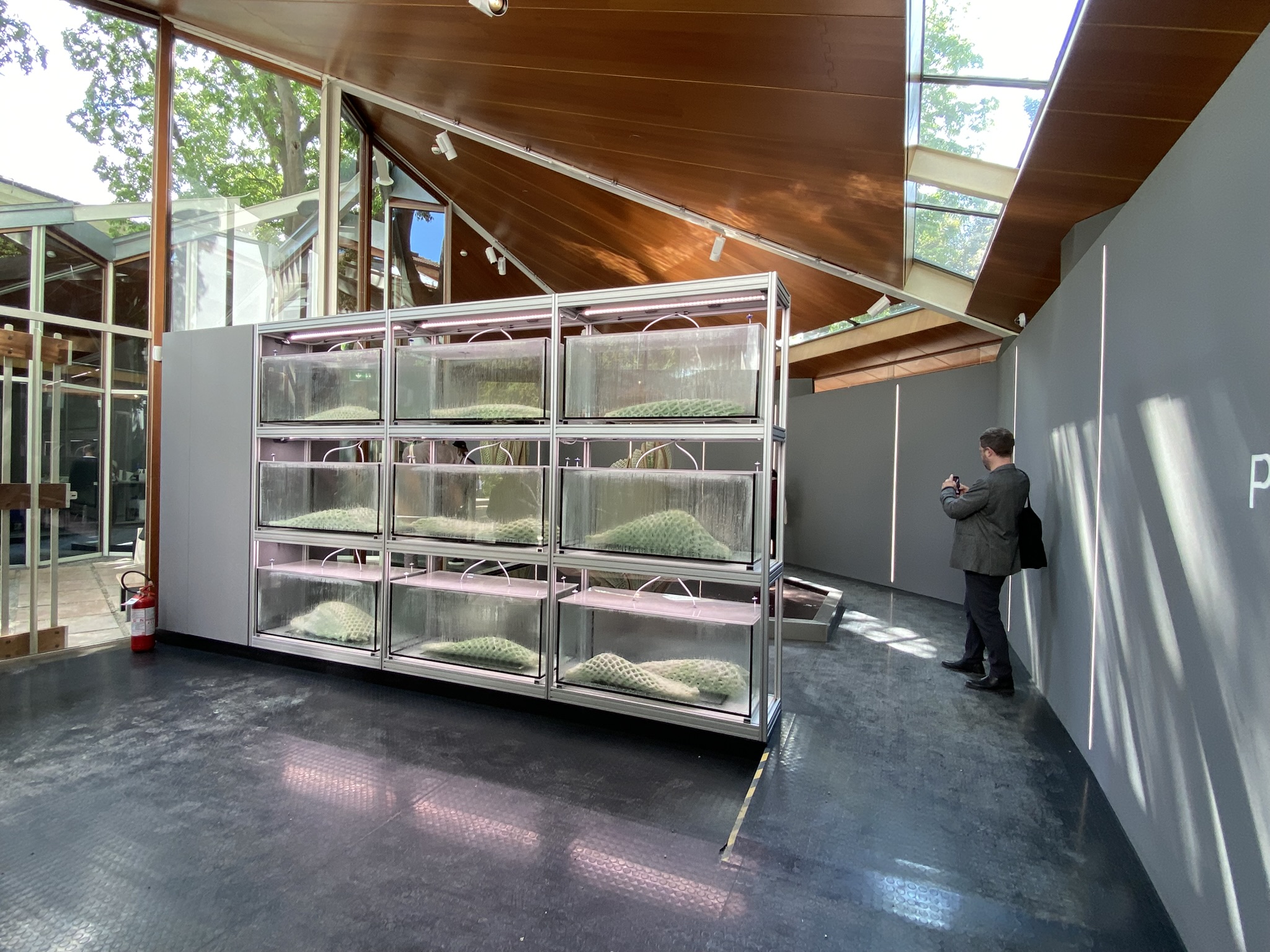
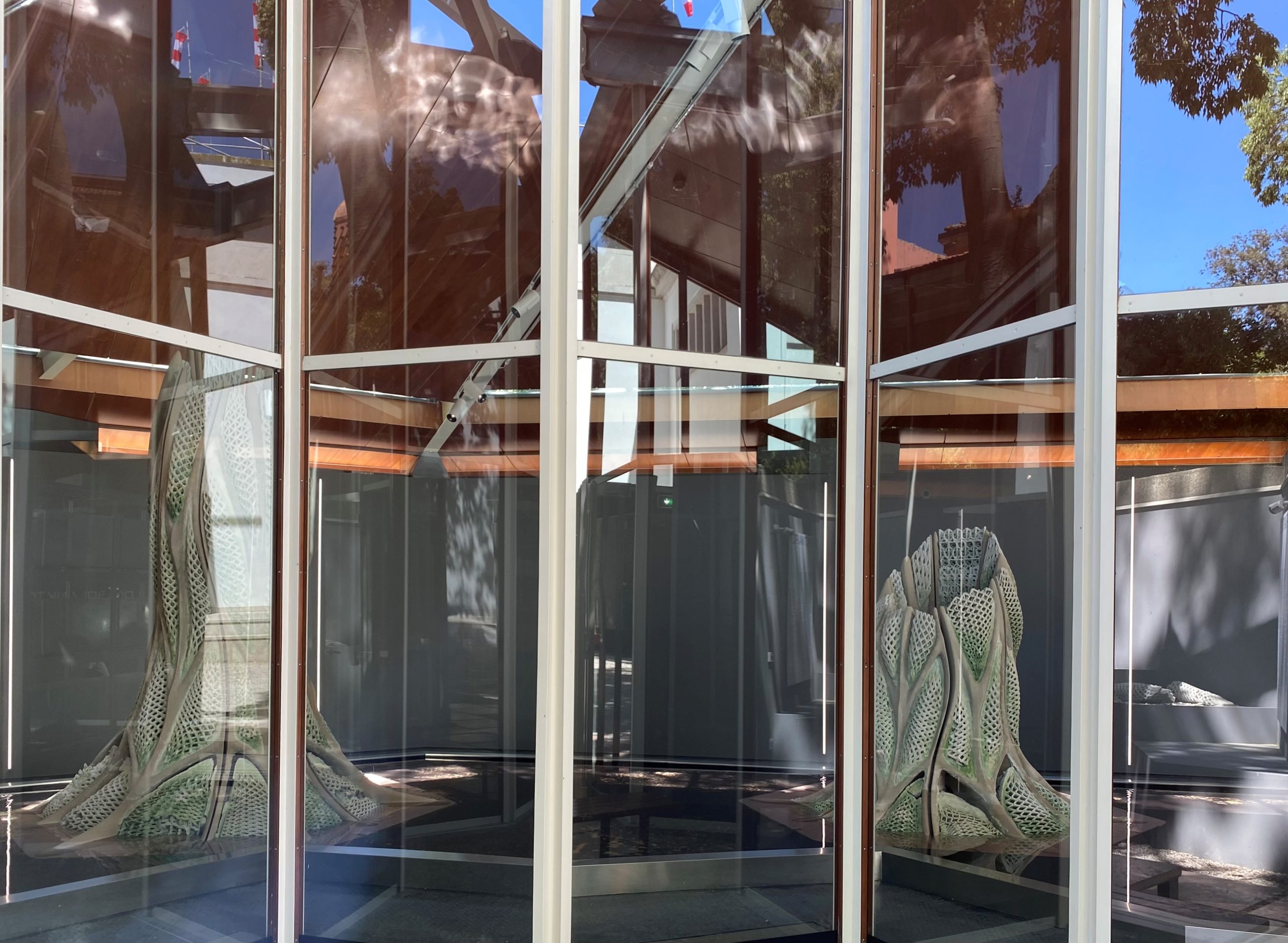
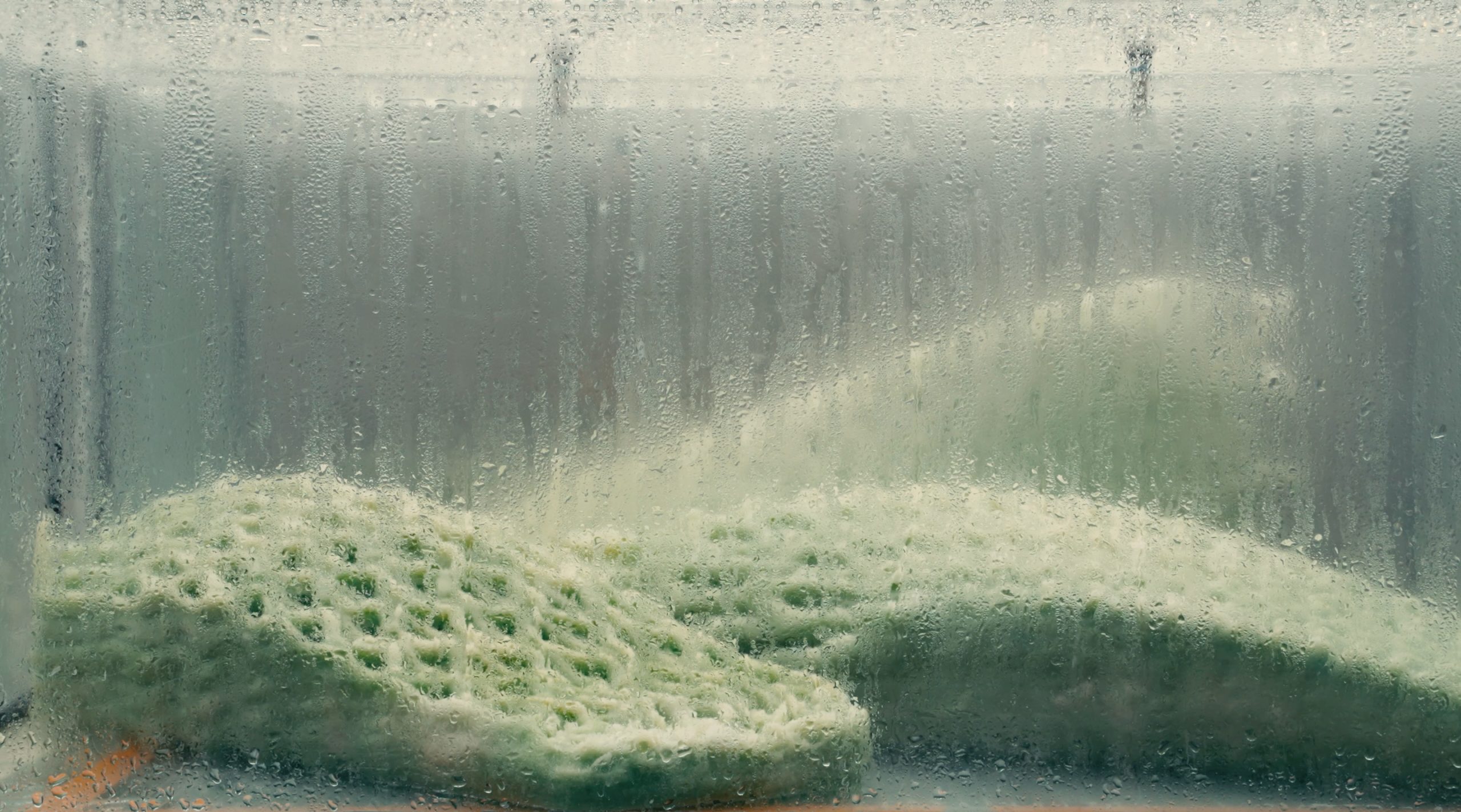
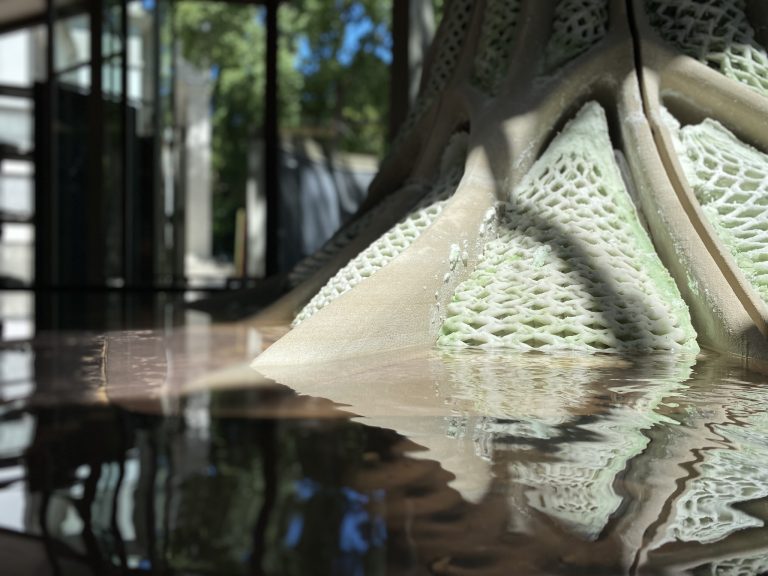
When visitors enter the Canada Pavilion, they will encounter 3D printed structures that were originally fabricated in an ETH Zürich laboratory. These are the largest living material structures produced using a first-of-its-kind biofabrication platform capable of printing living structures at an architectural scale. The unique Picoplanktonics experience stems from adapting the Canada Pavilion to provide enough light, moisture, and warmth for the living cyanobacteria within the structures to grow, thrive and change. For the duration of the exhibition, caretakers will be onsite tending to the structures, emphasizing care and stewardship as essential elements of the design.
As global carbon emissions continue to rise to untenable levels, Picoplanktonics presents a vision of how a regenerative system of construction could operate. It is an ongoing experiment centered on leveraging the reciprocal relationship between living structures, the built environment, and humans. In this way, the Living Room Collective is rethinking building principles and prioritizing ecological resilience beyond human species survival.
Visit the website picoplanktonics.com
Photo Credits: Living Room Collective
Girts Apskalns
Lorenzo Truant, M+B Studio
Research and Development: ETH Zurich-: Andrea Shin Ling, Yo-Cheng Jerry Lee, Nijat Mahamaliyev, Hamid Peiro, Dalia Dranseike, Yifan Cui, Pok Yin Victor Leung, Barrak Darweesh │ Production: ETH Zurich: Huang Su, Wenqian Yang, Che-Wei Lin, Sukhdevsinh Parmar; Tobias Hartmann, Michael Lyrenmann, Luca Petrus, Jonathan Leu, Philippe Fleischmann, Oliver Zgraggen, Paul Fischlin, Mario Hebing, Franklin Füchslin; Hao Wu, Nicola Piccioli-Cappelli, Roberto Innocenti, Sigurd Rinde, Börte Emi-roglu, Stéphane Bernhard, Carlo Pasini, Apoorv Singh, Paul Jaeggi; Mario Guala, Isabella Longoni; To-ronto Metropolitan University: Venessa Chan, Minh Ton, Daniel Wolinski, Marko Jovanovic, Santino D’Angelo Rozas, Rachel Kim, Alexandra Waxman, Richard McCulloch, Stephen Waldman, Tina Smith, Andrea Skyers, Randy Ragan, Emma Grant, Shira Gellman, Mariska Espinet, Suzanne Porter, Stacey Park, Amanda Wood, Lisa Landrum, Dorothy Johns, Cedric Ortiz; University of Toronto: Daniel Lewycky, Philipp Cop; Additive Tectonics GmbH | Visualisation: Adrian Yu. Nazanin Kazemi, Ariel Weiss
Picoplanktonics is made possible by the generous support from the Canada Council, Digital Building Technologies, Institute of Technology & Architecture, D-ARCH, ETH Zurich; Department of Architectural Science, Toronto Metropolitan University; and John H. Daniels Faculty of Architecture, Landscape and Design, University of Toronto. As well, acknowledges the important additional support of the Royal Architectural Institute of Canada; Advanced Engineering with Living Materials (ALIVE) Initiative, ETH Zurich; Additive Tectonics GmbH; ABB Switzerland; Vestacon Limited and NEUF Architect(e)s.
MEDIA GALLERY